Composting 101: Keeping Odors Down and Neighbors Happy in a Suburban Setting.
Composting is more than just a pretty way to say “I’m letting stuff rot in the back corner.” The process of allowing nature to break down organic matter is vital for planetary health. Ecosystems need to feed off and into each other: We eat the food. We create waste. We feed the waste to insects and microbes, who then expel their own waste, which allows nutrients to be taken up into plants, which then feeds more insects, small animals, birds, and rodents, which eventually, again, feed us. So composting is an integral part of making the whole system work, and work well.
Handled correctly, there is surprisingly little odor. In a suburban setting, though, it pays to be extra cautious. Your neighbors might decide to be petty about fertilizer production. Lucky for us, there are plenty of modern options to help deal with this.
The 5-Step Habit for Easy Composting
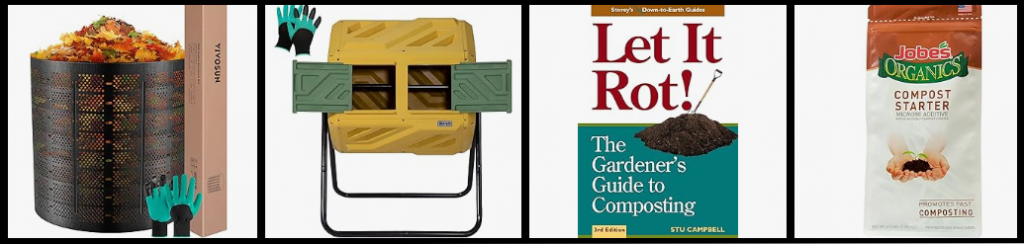
1. Set Up Your Station Choose a level, well-drained spot in your yard. For suburbia, a closed bin or a tumbler is often best because it looks neat and keeps curious critters out. Keep a small, lidded container under your kitchen sink to collect daily scraps.
2. Learn Your “Greens” and “Browns” Think of your compost as a recipe that needs a balance of two main ingredients:
- Greens (Nitrogen): Kitchen scraps (vegetable peels, fruit cores, coffee grounds), and fresh grass clippings. These provide the protein for the microbes.
- Browns (Carbon): Dry leaves, shredded cardboard, straw, or sawdust. These provide energy and allow air to circulate.
3. Use the “Cover with Brown” Rule This is the secret to a habit that sticks: Every time you dump a container of green scraps into your bin, cover it with a handful of brown material. This simple act prevents odors and hides the food from flies. Keep a bag of dry leaves or shredded paper right next to your bin so it’s easy to do.
4. Add Water and Air Your compost needs to be about as damp as a wrung-out sponge. If it’s too dry, the breakdown stops. If you use a pile, turn it with a pitchfork once a week. If you have a tumbler, give it a few spins. This adds oxygen, which is vital for the “good” bacteria.
5. Harvest Your Gold In 3 to 6 months, the material at the bottom will look like dark, crumbly soil. This is “Black Gold.” Use it to top-dress your lawn, feed your flower beds, or mix into your vegetable garden containers.
Why Doesn’t it Smell?
The “stinky compost” myth usually comes from piles that are neglected. When processed correctly, there is very little odor for two scientific reasons:
Aerobic Decomposition Odors are caused by anaerobic bacteria (bacteria that live without oxygen). When you turn your pile or use a tumbler, you are feeding aerobic bacteria. These “good” microbes break down organic matter efficiently and breathe out odorless carbon dioxide. If a pile smells like ammonia or rotten eggs, it simply needs more air or more “browns” to dry it out.
The Carbon Filter Effect By following the “Cover with Brown” rule, you are essentially creating a natural carbon filter. Dry leaves and paper soak up excess moisture and trap odors, keeping the nitrogen-rich “greens” from off-gassing.
What to Leave Out
To keep your suburban compost friendly for the neighbors, NEVER add:
- Meat, bones, or dairy (these cause odors and attract scavengers)
- Pet waste
- Oily or greasy foods
- Aggressive weeds with seed heads
Whether you’re tucked away in a quiet cul-de-sac or managing a bustling backyard, remember that homesteading is all about those small, intentional wins. Starting a compost bin isn’t just about the “black gold” for your garden—it’s about reconnecting with where our food comes from, right here in the suburbs. Don’t worry about being perfect from day one; just start where you are, keep layering those “browns” and “greens,” and enjoy the journey of becoming a little more self-sufficient every day.
You’ve got this, neighbor!