Fruit Trees: Common Mistakes and Early Wins.
Every suburban homestead would do well to consider adding an orchard. Fruit trees take time to establish and produce, so put this at the top of your priority list (if you can afford it). Once established, the only thing you need to do is yearly pruning and pest control. When the tree is ready, it’ll bear fruit.
Our Journey:
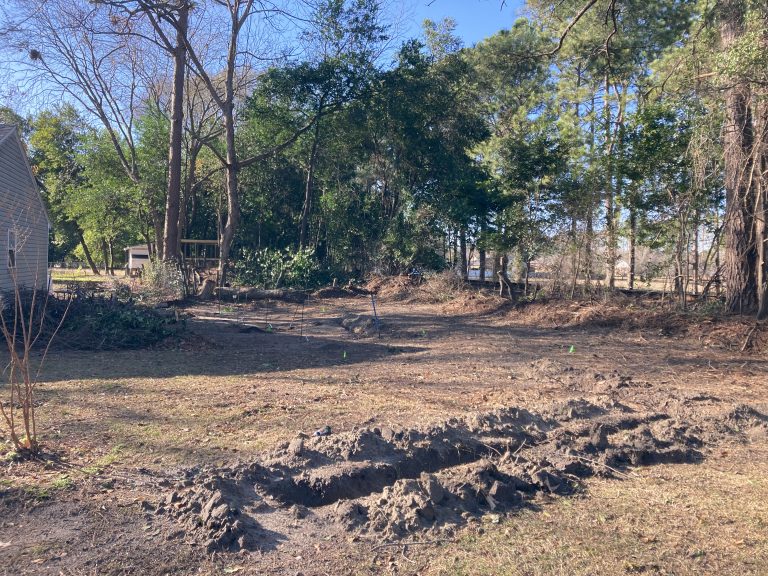
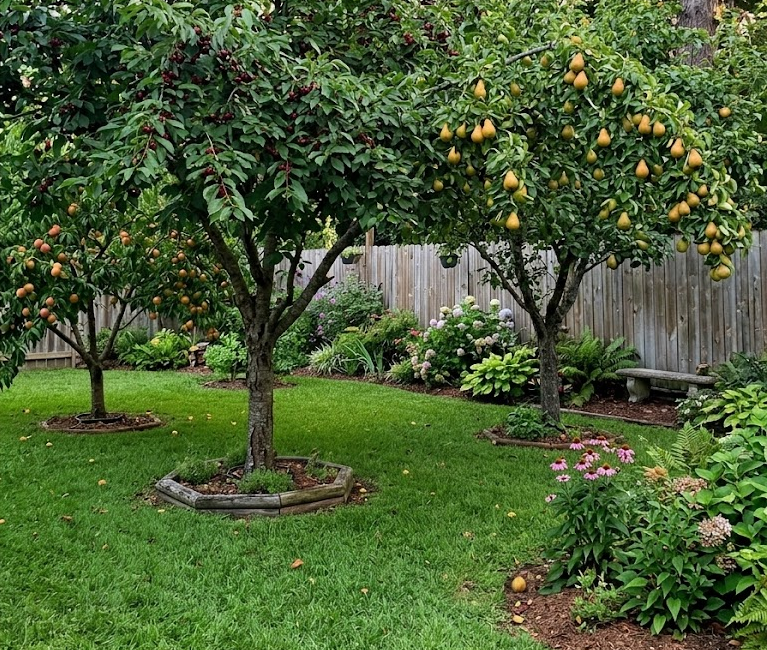
Here in Zone 8, we’re very lucky to be able to grow most common fruits except tropicals. Once we cleared enough space, we planted peach, apricot, pear, cherry, apple, lemon, orange, olive and fig trees. With high hopes, we faithfully watered and pruned and weeded and waited. Year one showed mixed results. We lost the olive tree, which was kind of expected. The lemon and orange did fine as we had a mild winter. All the rest set strong roots and added many new branches.
Year two saw similar results. We lost an orange tree because a huge pine bough fell on it, but we purchased a replacement and plugged it in. It produced one big, beautiful orange and went to sleep. We got a decent harvest of lemons and oranges otherwise. The peaches produced tiny fruits that the chickens loved! So far, no figs, apples, pears, apricots or cherries. We decided to add blueberries. We still considered the trees a success.
Year three we had a colder than normal winter and a couple of late frosts resulting in damage to the citrus trees and loss of the flowers on the apricot. We’ve decided to grow citrus trees in pots and over-winter in the greenhouse. The blueberries are producing like crazy, but it’s too early to know if we’ll have anything else. I fully expect peaches, though. We are in South Carolina, after all.
Bottom line is: there WILL be ups and downs. Nobody gets it perfect every time. Expect to have to adjust as you grow. It’s normal.
Things to consider:
Choosing the right fruit tree is an exciting step, but to ensure success and a rewarding harvest, you need to look beyond just the type of fruit you want to eat.
Here is a list of specific things to consider before bringing a fruit tree home.
1. Space Availability and Mature Tree Size
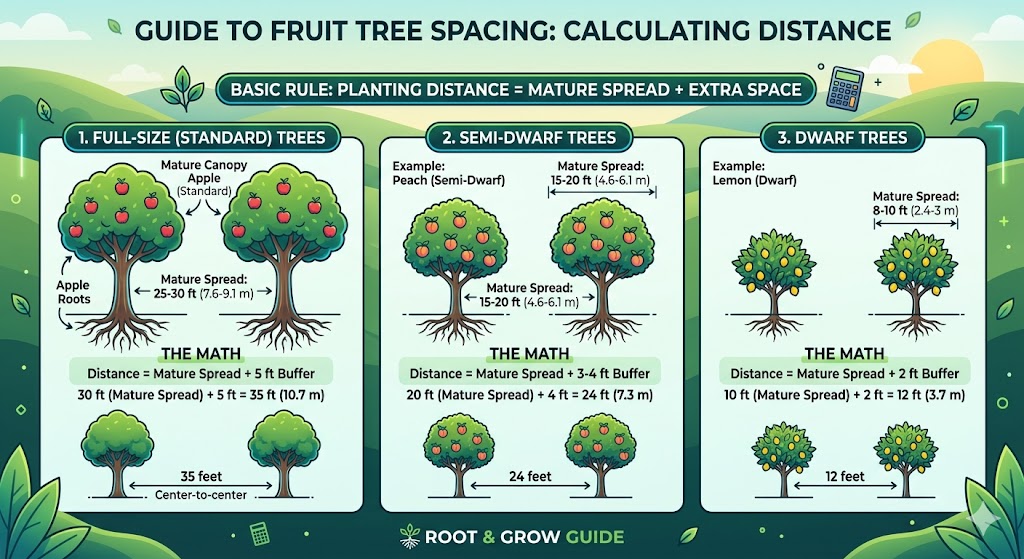
This is perhaps the most critical consideration. How much space do you have in your yard, and how will it accommodate the tree when it is fully grown?
- Standard/Full-Size Trees: (e.g., standard apples) will require significant room, often needing 30 to 35 feet of space center-to-center.
- Semi-Dwarf Trees: (e.g., semi-dwarf peaches) are more manageable and may only require 20 to 24 feet of space.
- Dwarf Trees: (e.g., dwarf lemons or apples on dwarf rootstock) are ideal for smaller yards or even large containers, needing only 10 to 12 feet of space.
2. Pollination Requirements: Do You Need More Than One?
This is a common surprise for new growers. Many fruit trees cannot produce fruit on their own.
- Self-Fruitful (Self-Pollinating): Many peach, apricot, sour cherry, and nectarine varieties are self-fruitful, meaning you only need one tree to get a harvest.
- Requires a Cross-Pollinating Variety: Most apples, pears, and plums require another tree of a different variety planted nearby that blooms at the exact same time. Without this, they may produce beautiful blossoms but will never bear fruit.
- Gendered Trees: Some species, like persimmons or kiwis, are dioecious, meaning trees are either male or female. You must plant both a male (for pollen) and a female tree (for fruit) to get a crop.
3. Climate and Hardiness Zones
The tree must be suited to your local climate.
- Hardiness Zone: Check your USDA hardiness zone and ensure the tree variety you select is rated for that zone.
- Chill Hours: Many fruit trees (like apples and stone fruits) require a specific minimum number of “chill hours” (hours between 32°F and 45°F during winter dormancy) to properly set fruit in the spring. If your climate is too warm for the variety, it will not produce fruit.
4. Time to Bear Fruit: How Long Will You Wait?
Different trees have vastly different timelines from planting to a full harvest.
- Fast Bearers: (1–3 years) Peaches, figs, and many dwarf varieties can produce fruit very quickly.
- Medium Wait: (3–5 years) Many standard-sized apples, plums, and cherries.
- Slowest to Bear: (5–10 years or more) Pears, persimmons, and especially nut trees can take a decade before they offer a significant crop.
5. Special Care, Maintenance, and Disease Resistance
Fruit trees are generally more high-maintenance than ornamental landscape trees.
- Pruning: Understand that regular annual pruning is mandatory for optimal health and fruit production.
- Water and Soil: Do you have well-drained soil? Most fruit trees hate “wet feet.” Consider irrigation needs.
- Disease & Pest Management: Fruit trees are magnets for certain pests and diseases (like fire blight on pears/apples or peach leaf curl). You should decide beforehand if you are willing to implement a disease-prevention spray schedule, or explicitly seek out “disease-resistant” hybrid varieties.
Planting fruit trees is a solid investment for any homestead, transforming your land into a perennial source of fresh nutrition and beauty. Beyond the superior flavor of homegrown harvests, these trees support local pollinators, provide shade, and build long-term soil health. Though they require initial patience and careful planning, the “sweat equity” of early care yields a legacy of bounty and self-reliance that can feed your family for decades.